The story
Sixteen years in uniform. A decade running businesses.
Most business coaches teach what they read. Nick coaches what he did this morning, in businesses he still owns. Here's how he got there.
-
Sixteen years in uniform
Nick served 16 years as a British Army officer. The Army taught him the things business schools can't: discipline under pressure, leading people when it matters, and making decisions with incomplete information. It also taught him what he didn't want: a life run on someone else's orders.
-
The hard transition
Leaving the military, Nick walked into business expecting his discipline to carry him. It helped, but business punished him anyway. Not every venture worked. Each failure taught a lesson that refined the approach: the wins came from mastering the small things, clear goals, and staying disciplined when motivation ran out.
-
Building for real
Over the next decade Nick built and scaled 6- and 7-figure companies across property and investment: a lettings and property management company in Yorkshire, a portfolio of his own, an invite-only property network, an investment fund. Real businesses with real payrolls, still running today.
-
Still in the arena
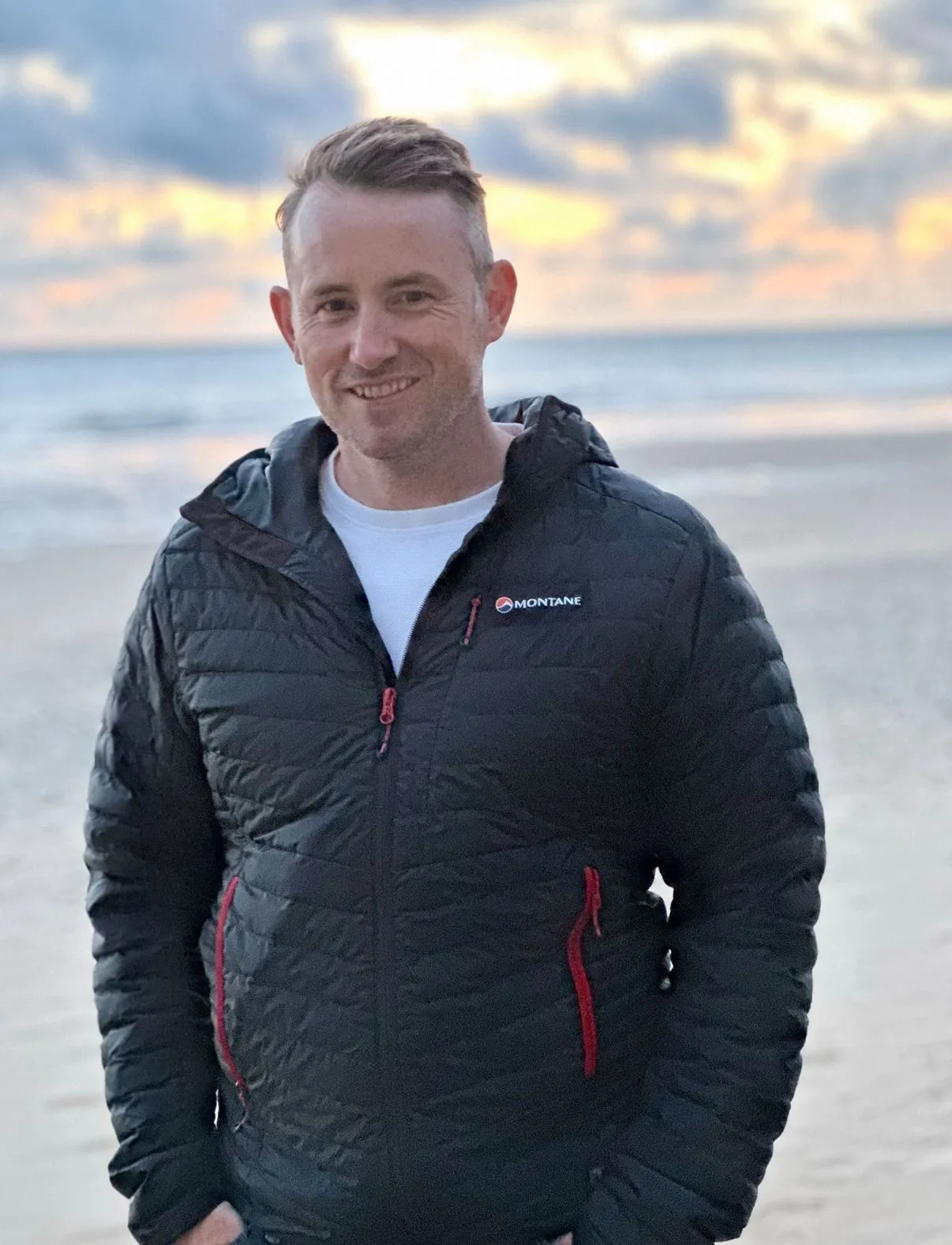
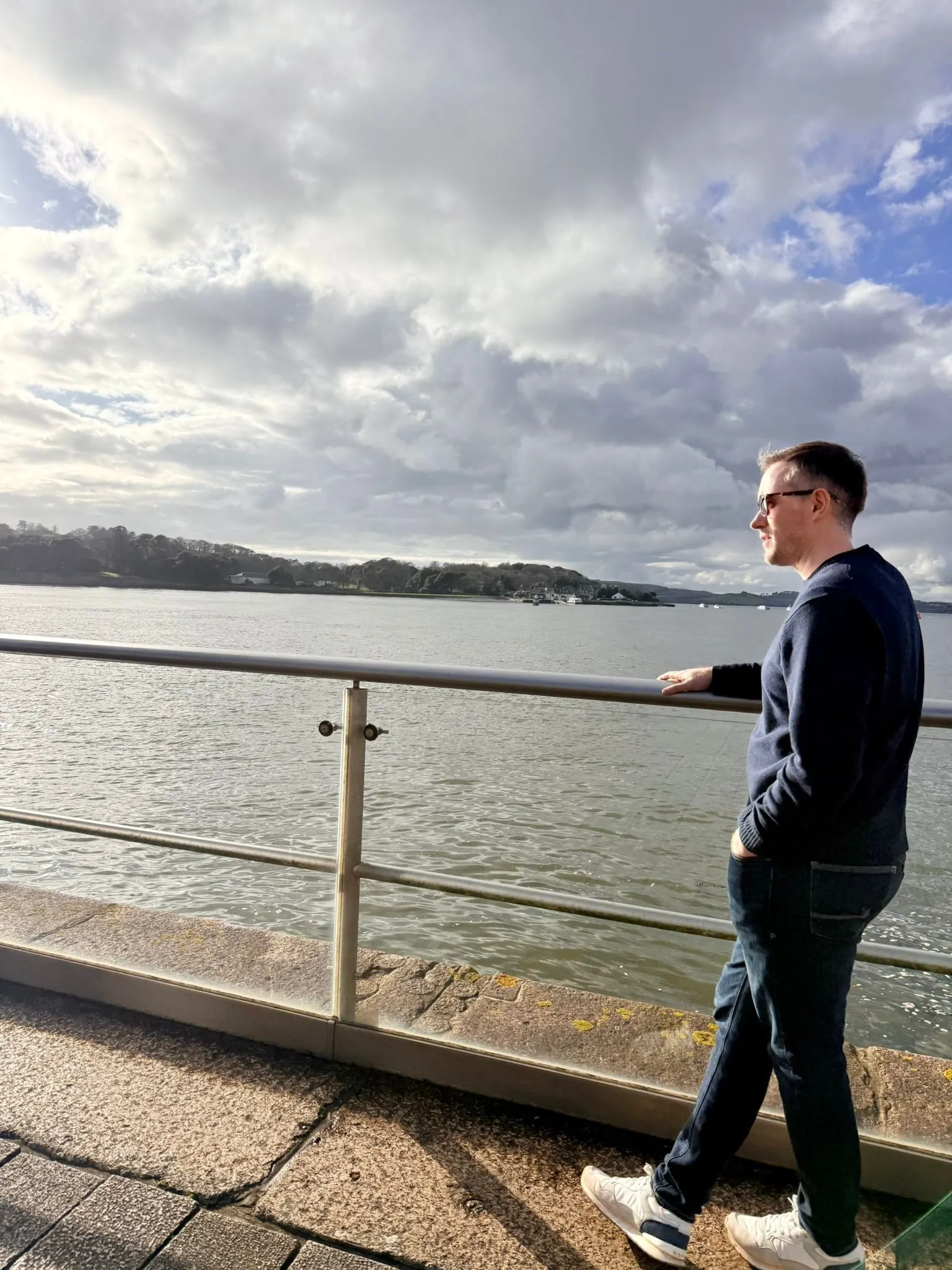
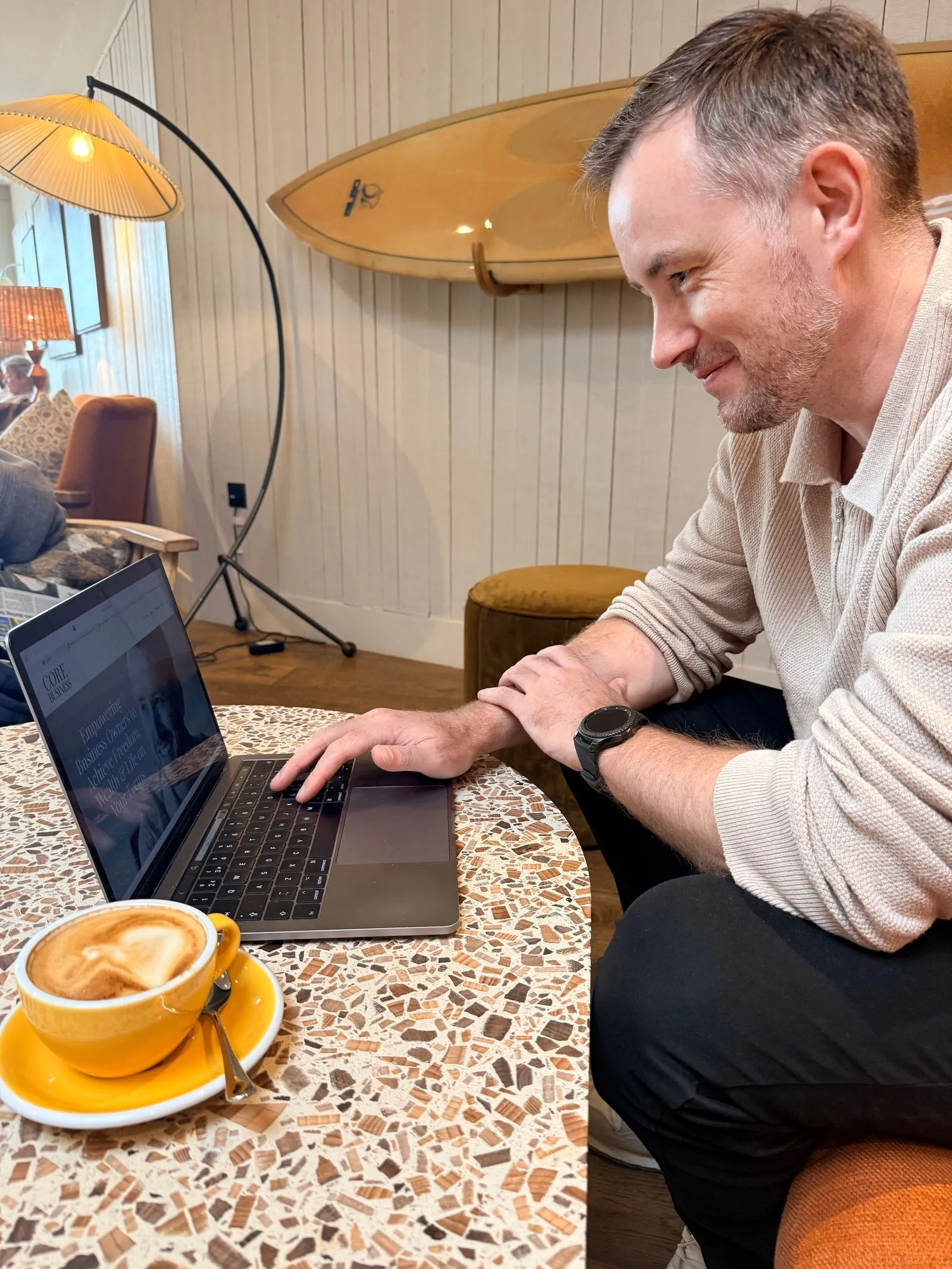
Today Nick splits his time between Cornwall and Yorkshire, runs his companies, and coaches business owners through Core Business using the CoreOS framework he built along the way. He coaches in the morning and applies the same advice to his own businesses in the afternoon. That's the difference. With three kids and his surf skills to improve, the freedom part isn't theory either.
One minute, unscripted · Cornwall
Why he coaches, straight to camera.
One minute, no script, no autocue. If the voice on this video is someone you could take a hard question from, book a free coaching session.
What the decade produced
CoreOS
Every lesson from the Army, the failures and the businesses that worked got distilled into one framework: strategy, accountability, mindset and systems. It is the operating system behind every Core Business programme, and behind Nick's own companies.
Build your free business planThe philosophy
Master the small things
Small things done well, clear goals, and discipline when motivation runs out. Add honest accountability and most businesses get better fast. That is the whole pitch. The rest is doing the work.
The story is the proof. The plan is the start.
Answer seven questions and get a twelve-month battle plan built from your answers. Free.